
6
Section One: The Fundamentals
A) Keywords
Exercise 1:
Provide a brief definition of one of the padlet keywords for this week.
|
Anti-aging agenda refers to the goals or practices individuals have to slow down the aging process. These could be things such as lifestyle changes or medical treatments that help maintain youthfulness into elderly years. Examples are, regular exercise, balanced diet, mindfulness practices, cosmetic treatments, surgical procedures, etc. All of these components can support in sustaining youthfulness and good health. |
B) The Social Significance of Aging in Sport
Exercise 2: Notebook Prompt
How is old age popularly represented today? Find an image online that you think exemplifies one defining attitude towards old age and paste in your notebook below with a brief explanation of what this image means to you.
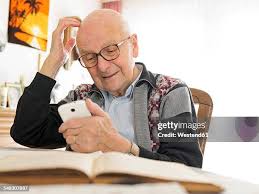
In my opinion, this photo is a representation of defining attitudes towards old age. With the increase of technology in today’s society, it is obvious that there is a digital divide between young people and elders. When cellphones and social media became a part of societal norms, the older generation struggled to adapt to innovative methods of communication. As technology continues to grow, elderly people are beginning to embrace these systems, giving them a taste of youthfulness. |
Exercise 3: Notebook Prompt
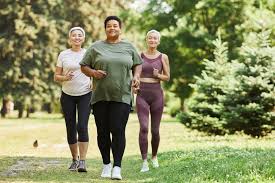
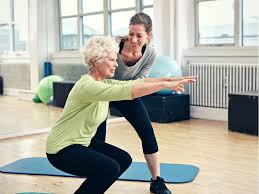
What does the article (referencing another study by Dionigi) mean by its statement that sport can help aging people to simultaneously “accept and resist the ageing process” (572)? Respond by audio or text and find paste two images sourced online into your notebook showing how sport might help aging people to both accept and resist the aging process.
| I believe that sport can help people accept and resist the aging process in many of ways.
Accepting: Engaging in sport can help elderly individuals ‘accept’ the natural changes that are occurring with their bodies. These changes can be physical limitations such as stamina and strength that play a significant role in well-being. By participating in sport, the older generation can accept these changes, while enjoying activities individually or with friends. This provides them with accomplishment and social outings that are crucial to sustaining positive attitudes into elderly years.
Resisting: Participating in sport may also direct the older generation to ‘resist’ some of the negative effects that are happening with their bodies. It is evident that exercise and physical activity have been shown to promote health and well-being in all ages. Scientific data also highlights that physical activity can prevent health issues, that typically come with age. By engaging in physical activity, elderly people can combat some of the declines that tend to occur with aging. |
Exercise 4: Notebook Prompt
Who are the groups less likely to have extensive opportunities to take part in sports, according to Pike? How does privilege factor into aging and sport? (200 words max)
| In the article, ‘Assessing the sociology of sport: On age and ability’, Elizabeth Pike shares her thoughts on groups who are less likely to have opportunity to participate in sports. Pike notes that limited opportunity is more likely to have effects on older people, particularly women and individuals living in low socio-economic status. This is due to several factors that contribute to this ongoing societal issue. It is known that older adults face significant barriers to sport. This occurs due to physical limitations, lack of programming, and stigmatization. When referring to older women, opportunities become even more reduced as a result of historical barriers, social norms and societal pressures on body image. Additionally, people from lower socio-economic backgrounds have restricted options due costs, lack of accessible programming and resources and health and safety concerns. When these factors intersect together, the barriers to physical activity and sport become further restricted, and individuals may experience multi-layers of marginalization. |
Exercise 5: Padlet Discussion
Why do you think age discrimination is “reported more than any form of prejudice” with older people presented as a threat to social values and interests? Feel welcome to use video in your responses. Paste your comments (or transcript of your video) below!
| In my opinion, age discrimination is “reported more than any form of prejudice” with older people presented as a threat to social values and interests due to youthful culture, stereotypes and intergenerational conflict. Many societies prioritize youth as the ideal age for productivity, beauty and social value. This excludes older adults, and labels that as “incapable of being ideal” from a societal perspective. As for stereotypes, these are the negative attitudes that identify the older generation to be a drain on society. This perception makes older adults seem irrelevant or useless to the younger generation. Lastly, intergenerational conflict is the view that elderly people are using too many resources. This can lead to resentment of older adults, causing a belief that they are taking up space for the younger generation. These discriminatory acts are just a few that place older adults at a disadvantage in communities around the world. |
B) Older Women and Sport
Exercise 6: Notebook Prompt
What differences do you see in these ads? Which one is more inclusive? How is age represented or not represented in each? Answer these questions in your notebook.
| Similarities and Differences
Nike – You Can’t Stop Us – Diverse population – Male and female athletes – Abled bodied and disabled bodied athletes – Famous athletes – LBGTQ community – Youth-centric culture – Competition
This Girl Can – Me Again – Diverse population – Young, middle-aged women – Abled bodied and disabled body athletes – Participation/activity
The first video ‘Nike – You Can’t Stop Us’ is an inclusive approach to uniting people worldwide. This clip consists of a diverse population, promoting abled bodied and disabled bodied athletes from a gender inclusive perspective. It explains that sport is a place where competitors can share similarities, accomplishments and values, despite their differences. This supports in developing a sense of belonging for people in sport organizations and viewers online. This video is represented from a youth-centric approach targeting the perspectives of young athletes wanting to become high-level competitors. The second video ‘This Girl Can – Me Again’ offers a similar approach, focusing on young females achieving their goals, despite pregnancy and everyday obstacles. |
Exercise 7: Notebook Prompt
In her article, “Assessing the sociology of sport: On age and ability,” Elizabeth Pike references a “trend towards a ‘feminisation of ageing’, with many women living longer than men” (573). Do you agree that aging has been “feminized” in this way? How? Answer these questions in your notebook.
| From my perspective, I believe that age has been ‘feminized’ due ideas such as gender longevity and gender roles. Evidence based facts on biological longevity explain that women often live longer than men. This means that around the world, women make up a larger portion of the older generation. This suggests that aging has been feminized due to biological factors. Another way society views aging revolves around gender roles. Traditionally, women’s value is society has been based off of their appearance, particularly beauty and youthfulness. As women age, this can be seen as a loss of societal value for women. Gender longevity and social roles play a huge factor in shaping how aging is viewed in society. |
Section Three: Module Mini Assignment
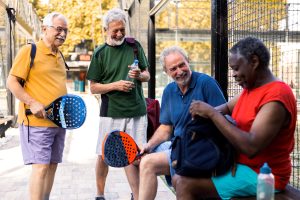
Over the past few years, pickleball has become a popular sport that is rapidly growing across North America. This extremely fun, low impact activity is a game that provides players the opportunity to socially interact while gaining numerous health benefits. This age-inclusive game has attracted players from all ages, especially the older generation. It’s easier on the joints compared to activities such as tennis or running and still improves health benefits and staying active. Although the raving continues about pickleball, are their side effects to consider for elderly people as they continue playing this sport? As I mentioned above, pickleball has many health-related benefits that contribute to physical and emotional well-being. The news story, ‘Pickleball helps boost seniors’ mental health, offering adaptability and accessibly, surveys find’ raves about wellness perks that come with playing such an interactive sport. (Rudy, 2023) says that nearly 70% of older adults reported having a reduction in stress and anxiety symptoms after joking about the sport. It was also mentioned that one in three players experienced cognitive incline and an increased self-esteem after playing (Rudy, 2023). This proves that pickleball has significant mental, emotional and physical health benefits that support the older population in a positive way. While the above articles highlight several benefits to pickleball, the following articles focus on the possible drawbacks that could make the sport less popular. The article, ‘As pickleball grows in popularity, older players need to be wary of the injury risks’, explains the possible disadvantages to playing this sport at an older age. (Ruffini, 2023) notes that the game is so accessible to all ages, that its player begins to excessively, leaving limited time for rest. This leads to possible injuries that cannot be undone. Research shows that since 2018, pickleball has been responsible for more than 60,000 emergency room visits, for players between the ages 55-75 (Ruffini, 2023). This critical statistic emphasises that although pickleball is popular among older adults, it carries certain risks that should be taken into consideration. In conclusion, I believe that playing pickleball has advantages and disadvantages, which comes with any sport. With the representation of ageism in these news stories, I feel like pickleball represents the older population as people who want to be active and healthy, despite the possibility of injury. (Pike, 2015) expresses that older adults engage in sporting activities to appear younger and connect socially. Is this true? I believe the world thrives on positive connections, and by providing older adults with the chance to play, socialize, and have fun, we contribute to the creation of stronger, more united communities
References: Pike, E. (2015). Assessing sociology of sport: On age and ability. International Review for the Sociology of Sport, 50(4-5). https://doi-org.proxy1.lib.trentu.ca/10.1177/1012690214550009 Rudy. M. (2023). Pickleball helps boost seniors’ mental health, offering adaptability and accessibly, surveys find. Fox News. https://www.foxnews.com/health/pickleball-helps-boost-seniors-mental-health-adaptability-accessibility-survey Ruffini, C. (2023). As pickleball grows in popularity, older players need to be wary of the injury risks. CBS News. https://www.cbsnews.com/news/pickleball-older-players-injury-risks/
|
